


Your Extraction Is Done — Here’s What Happens Next
The hard part is officially over. You sat in the chair, got through the procedure, and now you are on your way back home. It is completely normal to feel a bit tender or anxious about what comes next. If you recently searched for a “tooth extraction near me” and completed your treatment, your primary focus now should be on resting and healing.
Many patients who visit our dental clinic in Sector 22 Chandigarh look for guidance on how to manage the next few days. Whether you live right down the street or are traveling from Sector 21, Sector 23, Sector 17, or Sector 18, we want to make sure your healing process is as smooth and painless as possible. Proper after tooth removal care makes a massive difference in how quickly you bounce back.
Why Aftercare Matters: The Blood Clot Explained
You might wonder why dentists are so strict about post-extraction rules. The secret to a successful recovery lies in one simple thing: clot formation.
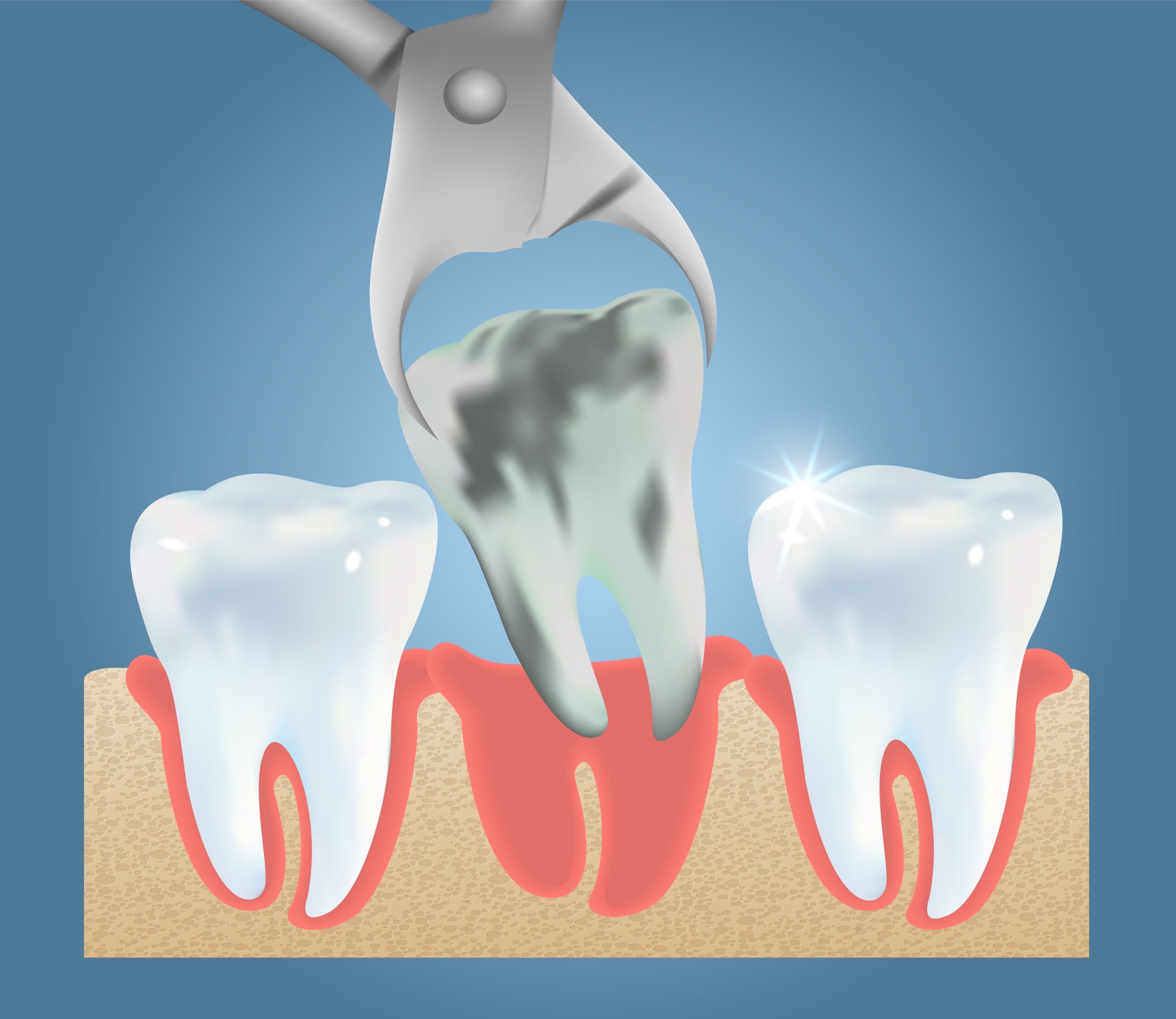
Right after your tooth extraction Chandigarh procedure, a blood clot forms in the empty socket. This clot acts like a natural scab. It protects the exposed bone and nerves underneath, allowing new tissue to grow. If this clot gets dislodged or dissolves too early, it exposes the bone, leading to a painful condition known as dry socket.
Excellent tooth extraction aftercare Chandigarh focuses entirely on protecting this fragile clot while managing normal swelling and discomfort.
✅ THE DO’S — What to Do After Tooth Extraction
Following a few simple steps can dramatically speed up your dental extraction recovery Chandigarh.
First 24 Hours
- Bite on the gauze: Keep firm, steady pressure on the gauze pad placed by your dentist for at least 30 to 45 minutes. This stops the bleeding and helps the clot form.
- Use ice packs: Wrap an ice pack in a towel and hold it against your cheek for 15 minutes on and 15 minutes off. This minimizes swelling after extraction and numbs mild pain.
- Rest completely: Keep your head elevated with an extra pillow when you sleep or rest on the couch. Avoid any physical exertion.
- Take medication: Take your prescribed pain relievers and antibiotics exactly as directed by your dentist near me for tooth removal.
Days 2–7
- Start saltwater rinses: After the first 24 hours, mix a half teaspoon of salt into a glass of warm water. Gently let it roll around your mouth and fall into the sink. Do this two to three times a day.
- Stay hydrated: Drink plenty of water to help your body heal, but remember to sip directly from a cup.
- Brush gently: Keep your mouth clean to prevent infection. Brush your other teeth normally, but be extremely careful around the extraction site.
❌ THE DON’TS — What to Avoid After Tooth Extraction
Knowing what to avoid is just as important as knowing what to do.
- No straws: The suction created by a straw can instantly pull the protective blood clot right out of the socket.
- No smoking or tobacco: Smoking introduces harmful chemicals and slows down healing. The sucking motion also risks dislodging the clot.
- No forceful spitting or rinsing: Do not swish liquid vigorously or spit forcefully. Let water simply fall from your mouth.
- No hard or sticky foods: Avoid nuts, chips, popcorn, and chewy candies that can poke the wound or get stuck in the socket.
- No touching the socket: Keep your fingers and your tongue away from the empty space.
- No heavy lifting or exercise: Increased blood pressure can cause the socket to start bleeding again.
Indian Foods That Are Safe After Extraction (Chandigarh Patient Guide)
One of the most common questions we get is about what to eat after tooth extraction. If you are recovering at home in nearby residential sectors, you do not have to stick to boring meals. Here are some comforting, safe Indian foods that are perfect for your recovery:
- Khichdi: Cook it until it is very soft and mushy. Let it cool down to room temperature before eating.
- Dal Soup: A lukewarm, well-blended dal provides excellent protein without requiring any chewing.
- Plain Dahi (Yogurt): Cold, soothing yogurt is easy to swallow and packed with healthy probiotics.
- Mashed Paneer: Soft scrambled paneer (without spicy gravies) is a great, filling option.
- Cold Milk or Milkshakes: Enjoy a nutritious banana milkshake, but remember to drink it directly from the glass, never with a straw!
Avoid spicy curries, hot temperatures, and anything with small seeds for the first few days.
What Is Dry Socket? How to Spot It & What to Do
We mentioned the blood clot earlier. When that clot is lost, you get a dry socket. Effective dry socket prevention Chandigarh starts with following the “Don’ts” listed above.
How do you know if you have it? Normal extraction pain improves day by day. Dry socket pain usually hits around day three or four. It is a severe, throbbing ache that radiates to your ear or neck. You might also notice bad breath or an unpleasant taste.
If you suspect a dry socket, do not panic, but do not ignore it. Contact us right away. We can easily treat it in the clinic by applying a medicated dressing that provides almost instant relief.
Day-by-Day Recovery Guide
Here is a quick timeline of what to expect during a normal recovery:
- Day 1: Mild oozing, swelling, and soreness. You will spend this day resting and eating soft, cold foods.
- Days 2–3: Swelling might peak during this time. Soreness continues but should be manageable with medication. You can introduce lukewarm, soft foods.
- Days 4–7: Swelling and discomfort should noticeably decrease. You can start chewing softer foods on the opposite side of your mouth.
- Weeks 2–3: The socket will begin to close entirely. You can slowly return to your regular diet, but still proceed with caution around crunchy foods.
When to Call Orange Dental Clinic After Your Extraction
We monitor our patients closely because your safety is our priority. While minor swelling and a dull ache are normal, some symptoms require a professional look.
Reach out to us immediately if you experience:
- Heavy bleeding that does not stop after applying pressure with gauze for an hour.
- Severe pain that does not respond to prescribed medication.
- Swelling that worsens after the third day.
- A fever, chills, or persistent nausea.
If you live in Sector 17 or 18 and are experiencing intense discomfort after your procedure, getting timely advice can prevent complications. We are here to help you through it.
FAQ — Tooth Extraction Aftercare
The gum tissue usually takes about three to four weeks to fully close over the hole. However, the bone underneath can take several months to heal completely.
Yes, but do not brush the teeth immediately next to the extraction site. Brush the rest of your mouth gently and avoid spitting the toothpaste out forcefully.
If you are in Chandigarh, Orange Dental Clinic in Sector 22C provides comprehensive post-operative care and checkups.
Wait at least 48 hours before consuming hot beverages. Heat can dissolve the forming blood clot and increase bleeding. When you do resume tea or coffee, make sure it is lukewarm.
No. Pain should be decreasing by day four. If you are experiencing severe, worsening pain, you might have a dry socket. Please search for an emergency dentist near me after tooth extraction or call our clinic immediately for relief.
Had a Tooth Extracted in Chandigarh? We’re Here to Help
Healing from a tooth extraction Chandigarh procedure does not have to be stressful. By resting, eating the right soft foods, and keeping the area clean, your body will do the hard work for you.
At Orange Dental Clinic, we pride ourselves on offering expert, minimally painful extractions and comprehensive aftercare support. If you are dealing with a nearby dentist for post-extraction pain or need to schedule a follow-up, our experienced team is just a phone call away.
Do you have questions about your recovery, or do you need to book a consultation? Contact Orange Dental Clinic today at +91 977 999 6266 or visit us at orangedentalclinics.com.
Let us help you heal fast and get your healthy smile back!

